

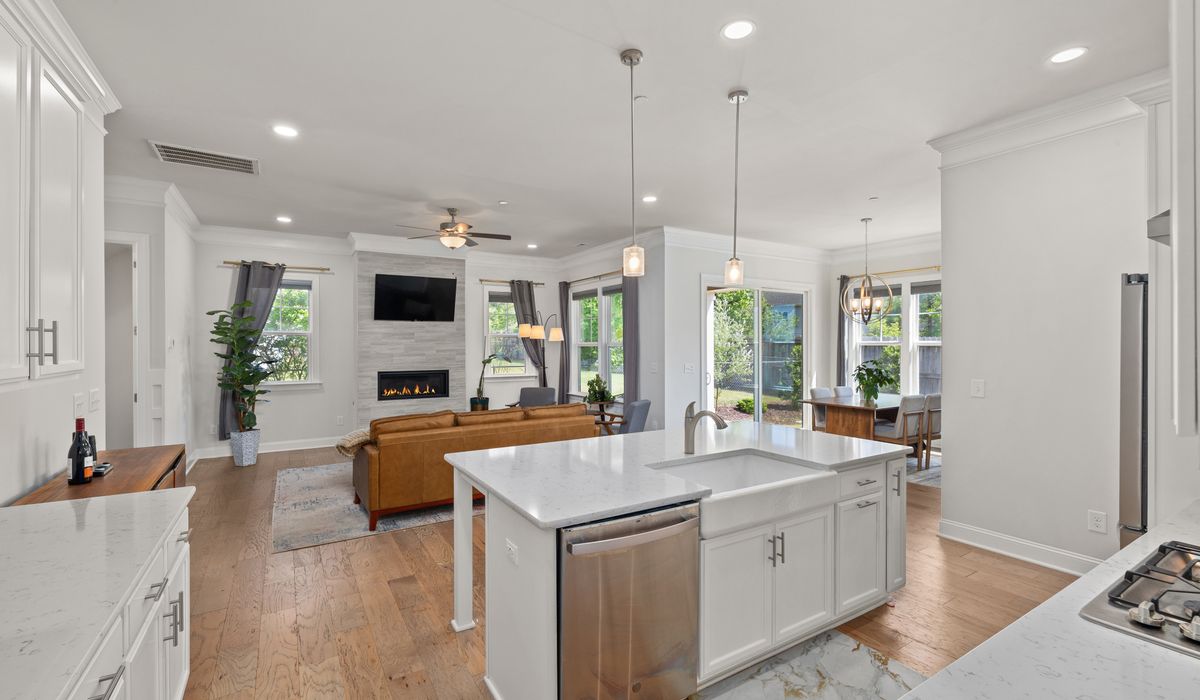
Older rural homes — stone cottages, brick farmhouses and timber-framed barns — have character in spades, but they also leak heat. Before you choose a new heat source, spend time on the building itself. Draught-proofing, loft insulation and glazing upgrades will lower your heat demand, and every sustainable heating system becomes cheaper to run when the building holds onto its warmth.
Practical first steps include:
For solid walls, consider breathable internal insulation such as wood fibre or lime plaster. Aim to cut heat loss by 30–40% before sizing any new boiler or heat pump. A whole-house heat loss survey is money well spent.
An air source heat pump extracts warmth from outside air and delivers it to your radiators or underfloor heating. It runs most efficiently at low flow temperatures — around 35–45°C — so older homes often need larger radiators, fan convectors or updated pipework. You will also need space for an outdoor unit with at least one metre of clear air around it, plus a hot water cylinder and a small plant area indoors.
Running costs depend on the price of electricity and the pump's efficiency (its coefficient of performance). In a well-insulated rural home off the gas grid, a heat pump can be cheaper to run than oil or LPG. Government grants are available to help with installation. Insulation is non-negotiable: without good loft, wall and glazing performance, the pump will struggle to keep up on cold mornings.
Biomass systems burn wood pellets, logs or chips. They suit rural properties with space for a fuel store — a bulk pellet store might need three to four cubic metres of space for a year's supply — plus a hopper, flue and somewhere to manage ash. Running costs rise and fall with fuel prices, so buy early and store dry.
Modern biomass boilers are highly automated and clean-burning, but they still need annual servicing. They work best in larger, older homes that can accommodate a thermal store, which buffers heat and improves efficiency. As with heat pumps, insulation reduces demand and running costs. If you have access to a local wood supply and enjoy a hands-on routine, a log boiler or pellet stove can be deeply satisfying.
Solar thermal panels sit on a south-facing roof and heat water directly. A typical domestic system needs two to four square metres of collector and a twin-coil hot water cylinder. It will provide 50–60% of your hot water in summer and less in winter, so it works alongside a boiler or heat pump rather than replacing one.
Maintenance is minimal — a periodic check of the antifreeze fluid and pump. The main requirements are roof space, a suitable cylinder and a little patience in finding an installer. Solar thermal is not a space heating solution, but it reduces the load on your main heat source and pairs beautifully with a heat pump or biomass boiler.
A modern Ecodesign wood stove is a world away from a smoky old grate. It burns cleanly, produces fewer particulates and can be room-sealed with an external air supply — a real advantage in an older, draughty home. Check whether you are in a Smoke Control Area before buying; you may need an exempt stove.
Fuel quality matters. Use seasoned or kiln-dried wood with a moisture content below 20%. Store it under cover for one to two years, and use a moisture meter to check. A wood stove provides local warmth, resilience during power cuts and a lovely focal point. It is rarely a whole-house heating solution unless your home is small and very well insulated.
Most older rural homes benefit from a combination: a heat pump or biomass boiler for central heating and hot water, solar thermal for summer hot water, and a wood stove for room comfort and backup. A thermal store can link these systems, especially if you have a solid fuel appliance and a heat pump.
Start with insulation, then get a professional heat loss survey. Consider your daily routines, fuel storage space and budget for maintenance. Grants and tariffs change, so check current support schemes before committing. With the right mix, you can keep the character of your countryside home while enjoying lower carbon heating and predictable running costs.

Sleekbarn Real stories, useful guides and the occasional recommendation, all in one calm corner of the web.

Sleekbarn No rushing, no fuss — just thoughtful notes and practical help, written by people who care.

Small barn gardens can feel generous with vertical planting, built-in seating and clever paving. Choose hardy plants that suit exposed rural conditions.

Comments
ALina Kelian
19th May 2018 ReplySleekbarn We spend our time finding what works so you don't have to, and sharing exactly what made the difference. ullamco laboris nisi ut aliquip ex ea commodo consequat.
Rlex Kelian
19th May 2018 ReplySleekbarn No rushing, no fuss — just thoughtful notes and practical help, written by people who care. ullamco laboris nisi ut aliquip commodo.
Roboto Alex
21th May 2018 ReplySleekbarn We spend our time finding what works so you don't have to, and sharing exactly what made the difference. ullamco laboris nisi ut aliquip ex ea commodo consequat.