

Original barn doors are more than a practical way to close a building. They are a record of the countryside’s working past: hand-cut mortises, forged iron nails, and the slow patina of weather and use. In a modern barn conversion, a restored original door becomes a focal point that no reproduction can match. It anchors the interior in its rural setting, adding warmth and authenticity to open-plan living spaces. The good news is that most old doors are remarkably resilient. With careful assessment and sympathetic repair, you can keep the original timber rather than replacing it with something that looks too neat and too new.
Before you reach for a chisel or a tin of finish, spend time understanding what you have. Lay the door flat on trestles in good light. Probe the timber with a small screwdriver or an awl, especially at the bottom rails, where damp gathers. Check for active woodworm: fresh frass, tiny flight holes, and crumbling edges. Look for old repairs, splits along the grain, and signs that the door has twisted or sagged.
Repair rather than replace wherever possible. Cut back rot to sound wood, using a sharp chisel and a mallet. For small areas, you can use a two-part epoxy wood filler tinted to match, but for anything larger than a few centimetres, splice in a new piece of timber. Choose a species that matches the original — oak, elm, or pine are common in British barns. Cut a scarf joint or a simple angled butt joint, apply exterior-grade wood glue, and clamp firmly. Use stainless steel or galvanised screws to avoid rust stains.
If the bottom of the door is badly rotted, you can cut off the damaged section and replace it with a new piece, joining it with a half-lap or a floating tenon. Preserve the original surface where you can: new timber can be distressed with a wire brush and a light application of wood stain to blend in. Avoid sanding the whole door back to bare wood; you will lose the tool marks and the softened edges that make it feel historic.
Original ironwork is part of the door’s story. Hinges may be blacksmith-made, with hand-forged straps and pintles. If they are worn but sound, clean them with a wire brush and apply a rust-inhibiting primer followed by a coat of black metal paint or linseed oil. If a hinge is broken, have it repaired by a blacksmith rather than replaced with a modern hinge that will look out of place.
The right finish will feed the timber, keep out damp, and let the surface breathe. Avoid modern polyurethane varnish and thick exterior stains that sit on the surface and crack. Instead, choose a breathable oil or wax. Boiled linseed oil is traditional and deepens the grain, but it can darken light woods and takes time to dry. A good-quality tung oil or a blend of linseed and tung oil offers better water resistance. For a softer, more matt look, use a beeswax and carnauba wax polish over an oil base.
Always test on a hidden area first. Apply thin coats, wiping off the excess, and allow each coat to dry fully. If the door is exposed to driving rain, consider a breathable wood stain with a matt finish. The aim is to protect the wood without erasing its history: you want to see the grain, the knots, the old saw marks, and the gentle undulations of centuries of use.
Once restored, the door needs to hang correctly. Check the frame for square and rot. If the door is heavy, use three hinges rather than two. For sliding doors, ensure the track is level and the floor is clear. Draught-proofing an old barn door is a balance: you want to stop cold air without trapping moisture. Use brush seals or a flexible rubber strip on the frame, not on the door itself, so the timber can move.
In daily life, keep the bottom of the door clear of wet floors, and wipe up spills promptly. Re-oil or re-wax every year or two, depending on exposure. Check hinges and latches for tightness. With a little care, a restored original barn door will last another lifetime, bringing the character of the countryside into your converted barn for years to come.

Sleekbarn Real stories, useful guides and the occasional recommendation, all in one calm corner of the web.

Sleekbarn No rushing, no fuss — just thoughtful notes and practical help, written by people who care.

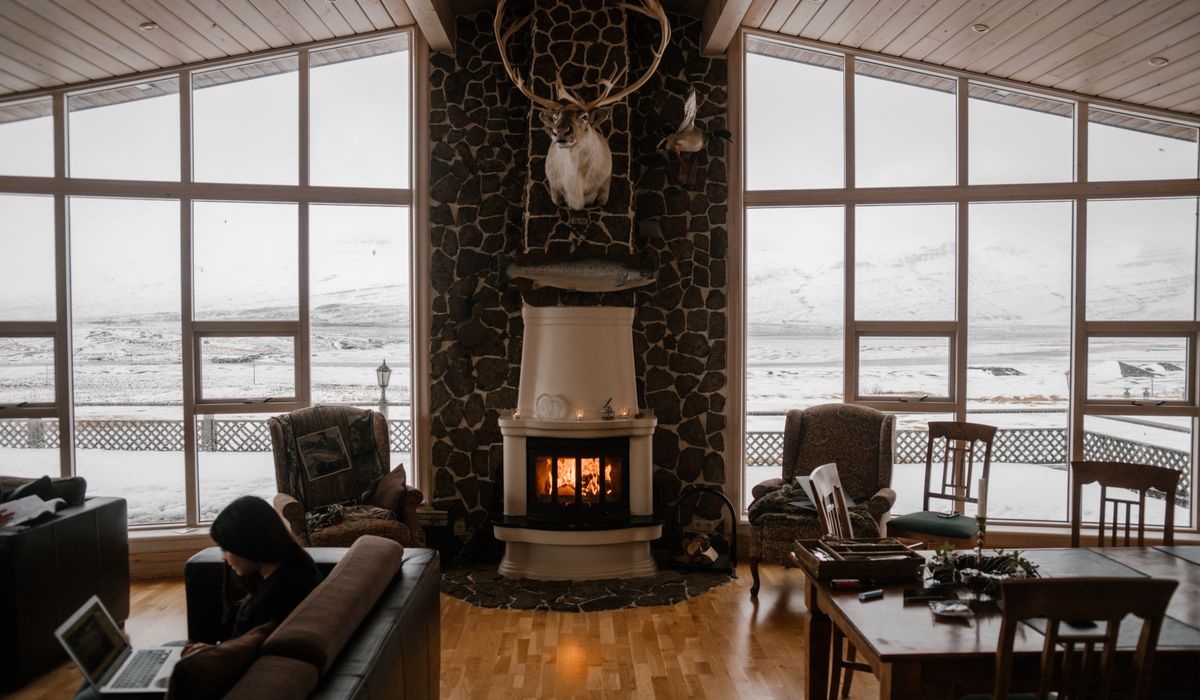
A cosy reading corner in a barn can use a deep armchair, warm floor lamp and textural throw. Position it away from draughts and direct sunlight.

Comments
ALina Kelian
19th May 2018 ReplySleekbarn We spend our time finding what works so you don't have to, and sharing exactly what made the difference. ullamco laboris nisi ut aliquip ex ea commodo consequat.
Rlex Kelian
19th May 2018 ReplySleekbarn No rushing, no fuss — just thoughtful notes and practical help, written by people who care. ullamco laboris nisi ut aliquip commodo.
Roboto Alex
21th May 2018 ReplySleekbarn We spend our time finding what works so you don't have to, and sharing exactly what made the difference. ullamco laboris nisi ut aliquip ex ea commodo consequat.