

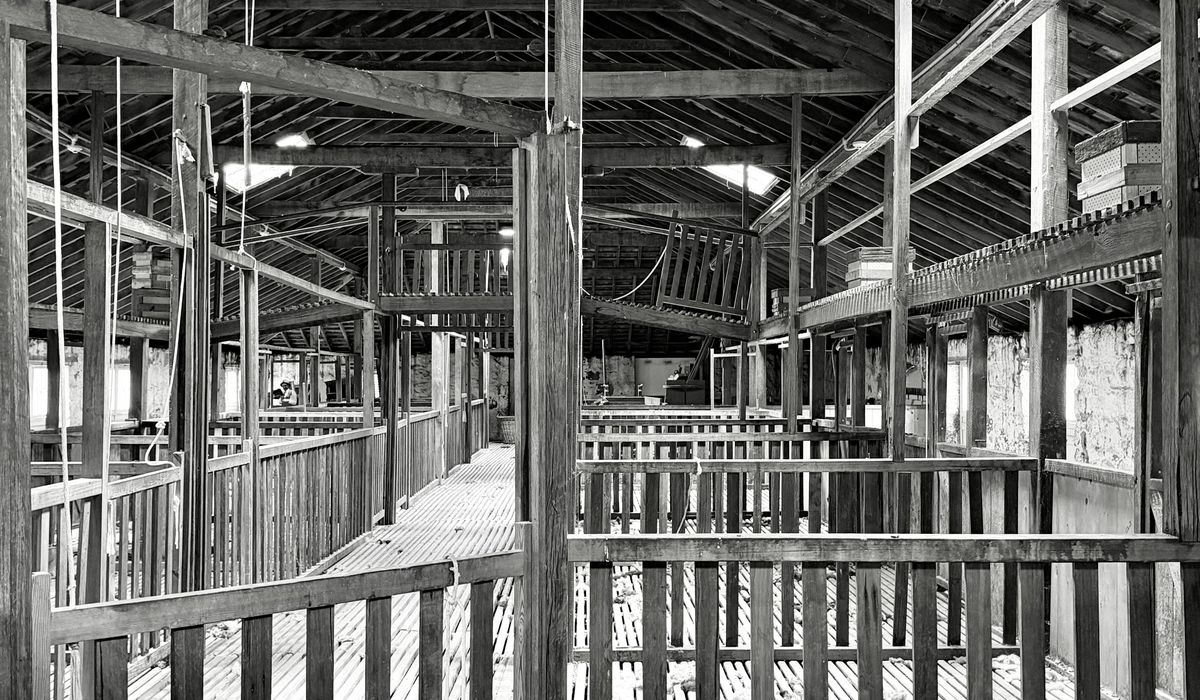
Rural kitchens are rarely straightforward rooms. Whether you are working within a converted stone barn, a Victorian farmhouse or a new oak-framed extension, the space tends to come with character that a developer's box simply cannot offer: deep window reveals, thick walls that throw shadows, ceilings that either soar or duck unexpectedly low, and beams that refuse to run true. The temptation is to fight all of this with a wall of glossy white units. Resist it. The most successful rural kitchens lean into the contrast, pairing crisp, contemporary cabinetry with the honest grain, stone and patina that made you fall for the property in the first place.
The goal is balance rather than theme. A sleek handleless run reads as calm and deliberate when it sits beside a rough limestone wall; the same cabinetry looks clinical when it fills a room with nothing else to answer it. Texture is what makes modern design feel warm, and in the countryside you have texture in abundance.
Before choosing door fronts, spend time understanding the shell. Rural rooms are frequently long, narrow and gloomy, or vast and open with a vaulted ceiling that swallows sound. Walk the space at different times of day and note where light actually lands, because that will dictate your layout far more than any mood board.
Getting these decisions right early saves a great deal of compromise later, and it means your cabinetry can be designed around the room rather than forced into it.
Contemporary does not have to mean cold, and it certainly does not have to mean gloss. Matt finishes, painted timber, fine slatted oak and subtly textured laminates all soften the hard edges of a minimalist run. Deep, earthy colours work particularly well against stone and brick: a murky olive, a soft charcoal, a muted clay or a rich forest green will read as sophisticated rather than stark.
Consider how the eye travels along a wall. One unbroken eight-metre run of tall units can feel oppressive in a low-beamed room, so break it up with a tall larder, a bank of open shelving and a change of depth or finish. Handleless designs with routed finger pulls or a slim shadow gap look beautifully clean, though in a busy family kitchen a simple brushed brass or blackened metal handle is often more practical and just as sharp. Pan drawers and deep larders matter more than ever here, because rural kitchens tend to store in bulk.
The worktop is where sleek and rustic genuinely meet. A honed grey or black stone, a leathered granite or a riven slate brings natural movement without shine. Pale limestone and quartz-based surfaces offer a lighter, quieter look, while reclaimed or oiled timber adds instant warmth on an island. Each has trade-offs: timber needs oiling and dislikes standing water, and natural stone wants sealing and a little tolerance for the odd mark.
Think about the details that catch the light. An aged brass tap will dull and patinate beautifully; a brushed stainless one will stay sharp and industrial. A splashback of handmade tiles, tadelakt or a single slab of stone behind the range gives you a focal point that feels rooted in the building. Keep the palette tight, perhaps three finishes in total, and let the variety come from material rather than colour.
Open shelving is the quickest way to take the edge off a contemporary kitchen. A single oak shelf on chunky brackets, or two stone shelves recessed into a chimney breast, displays everyday crockery and lets the room feel lived in. Do be selective: open shelves suit beautiful, frequently used items and become clutter the moment they hold everything.
Lighting deserves the same care. Pendants over an island are the obvious move, and they work best slightly oversized and hung low enough to feel intentional, with an aged brass, ceramic or blackened metal finish. Beyond that, layer your scheme: warm task lighting under wall units, a dimmable circuit for evenings, and a considered wash across any textured wall you want to show off. Keep bulbs warm and consistent, ideally around 2700K throughout.
Country kitchens work harder than city ones. Plan for muddy boots, wet dogs, bulk shopping and the occasional power cut. A dedicated boot room or pantry with a second sink, a stone floor and hard-wearing storage will protect the main space. Extraction needs thought in older buildings, where ducting routes are awkward and listed walls cannot be casually drilled. A recirculating hood or downdraught extractor can be a sensible compromise.
If you are keeping an oil-fired range or a traditional cooker, allow proper clearances and ventilation around it, and design your cabinetry to cope with the heat. Hard water will mark glassware and stone alike, so a filter or softener is worth the outlay. Get these practical layers right and the beautiful ones, the sleek lines and soft textures, will earn their place every single day.

Sleekbarn Real stories, useful guides and the occasional recommendation, all in one calm corner of the web.

Sleekbarn No rushing, no fuss — just thoughtful notes and practical help, written by people who care.

Turn a modest lawn into a wildflower meadow with native seed mixes, seasonal mowing and sunny borders that support bees and butterflies.

Comments
ALina Kelian
19th May 2018 ReplySleekbarn We spend our time finding what works so you don't have to, and sharing exactly what made the difference. ullamco laboris nisi ut aliquip ex ea commodo consequat.
Rlex Kelian
19th May 2018 ReplySleekbarn No rushing, no fuss — just thoughtful notes and practical help, written by people who care. ullamco laboris nisi ut aliquip commodo.
Roboto Alex
21th May 2018 ReplySleekbarn We spend our time finding what works so you don't have to, and sharing exactly what made the difference. ullamco laboris nisi ut aliquip ex ea commodo consequat.